
BOOKMARK THIS SITE
Food Allergies: Celiac Disease
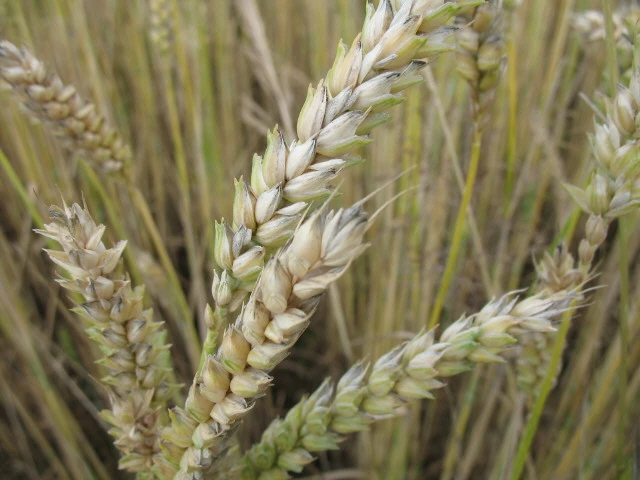
Celiac disease (also called coeliac, nontropical sprue, celiac sprue, gluten intolerant enteropathy, or gluten sensitive enteropathy) is a condition in which there is a chronic reaction to certain protein chains, commonly referred to as glutens, found in some cereal grains. This reaction causes destruction of the villi in the small intestine, with resulting malabsorption of nutrients.
Food & Mood - Extension
This extension features further information on the topic "Food & Mood".
(Click here if you want to return to the main article on Food & Mood.)
So, here are some easy codes of eating behaviour that could help you feel better:
Eat regularly
Food & Mood
Did you ever notice that you’re in a foul mood if you haven’t eaten all day? Or did worse things that happened to you look less dramatic when you got your favourite meal afterwards? Well, that’s just two of the things how food and your eating habits can influence your mood.
Food can influence your brain on two levels: by having an impact on your psyche or by influencing the brain chemistry (but which is only possible in very small quantities). Both have an impact on your mood.
Food & Sex
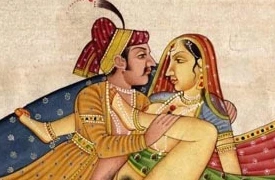 Can a change in your diet improve your sex life? Yes, but not in the way you might think. You probably heard of “aphrodisiacs”: substances or foods that increase lust and passion quickly. The idea of them has been around for ages and continues to persist, but there is no scientific proof that there is any sole food that can actually achieve this. What is true is that the quality of our diet has a great deal to do with the quality of our sex.
Teaching Packages for Germany
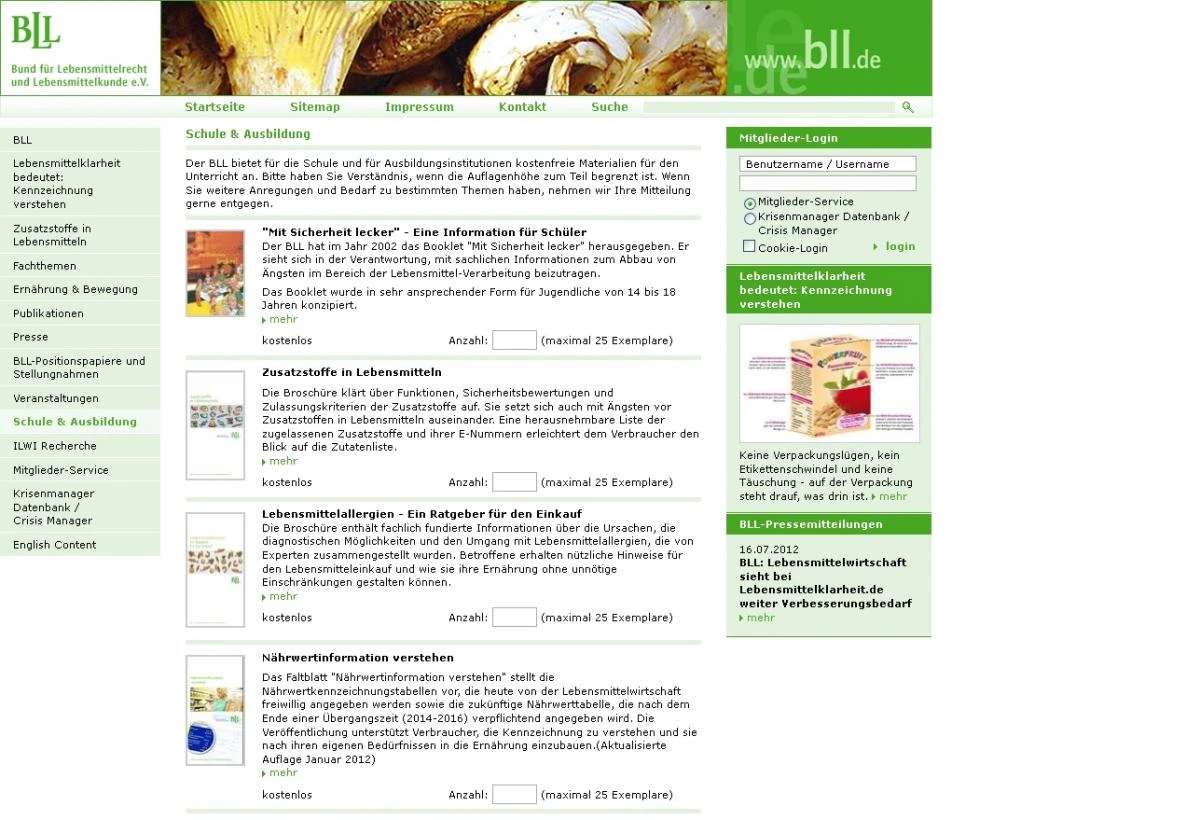
Links to helpful websites (brochures, teaching material etc.)
1) Bund fuer Lebensmittelrecht und Lebensmittelkunde e.V.
Polyphenols
 Phenolic compounds are secondary metabolites that are responsible for sensory properties of foods, like taste, color, aroma and texture.
Food & Religion
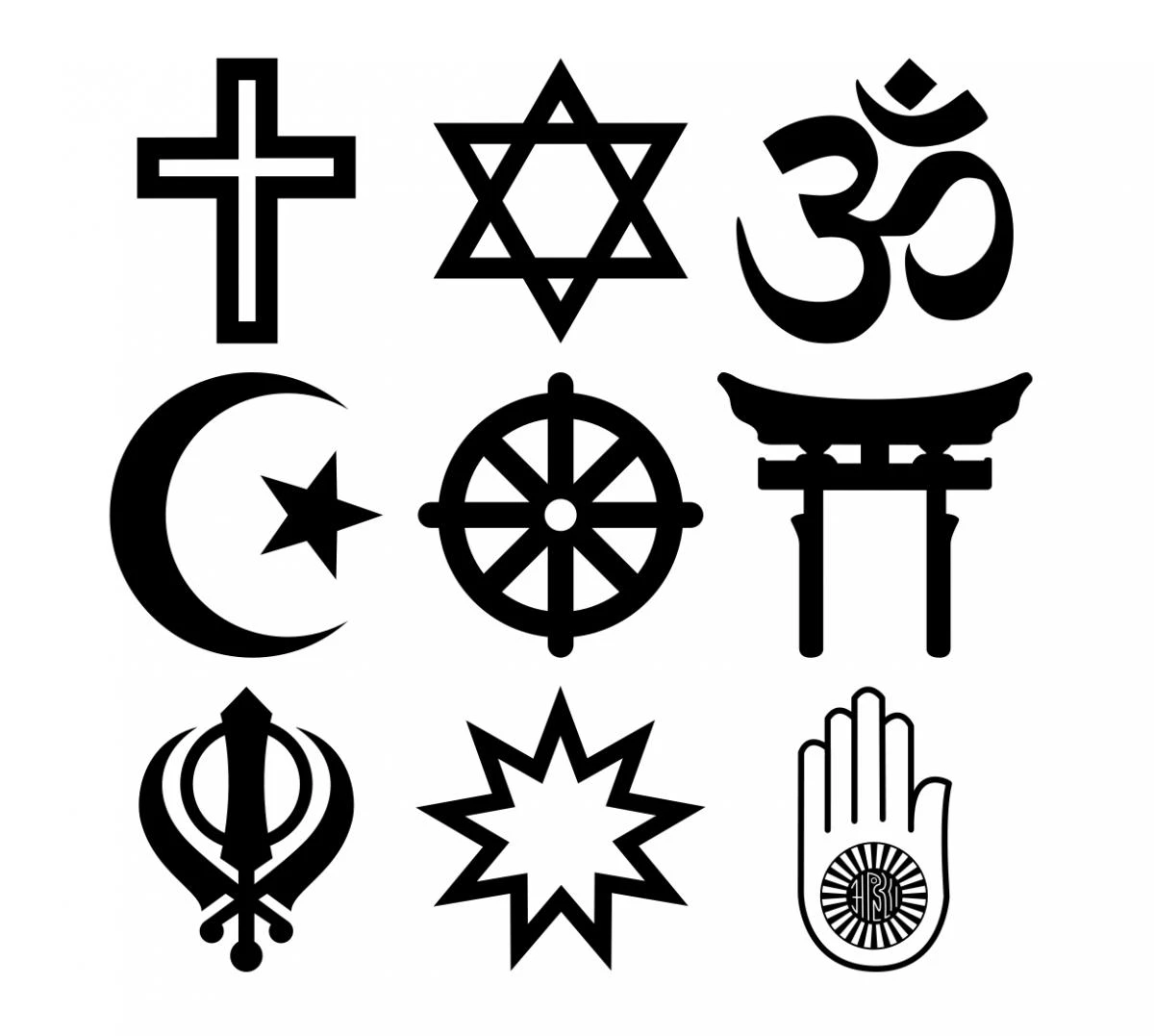 Lifestyle and food habits have been encoded and regulated by belief and religion for centuries. This choices might have a biological base, but their strength resides in their power as rituals and symbols. Many religions include regulations about food habits, including the three major ones: Judaism, Christianism and Islam.