
BOOKMARK THIS SITE
Genetic modified organisms
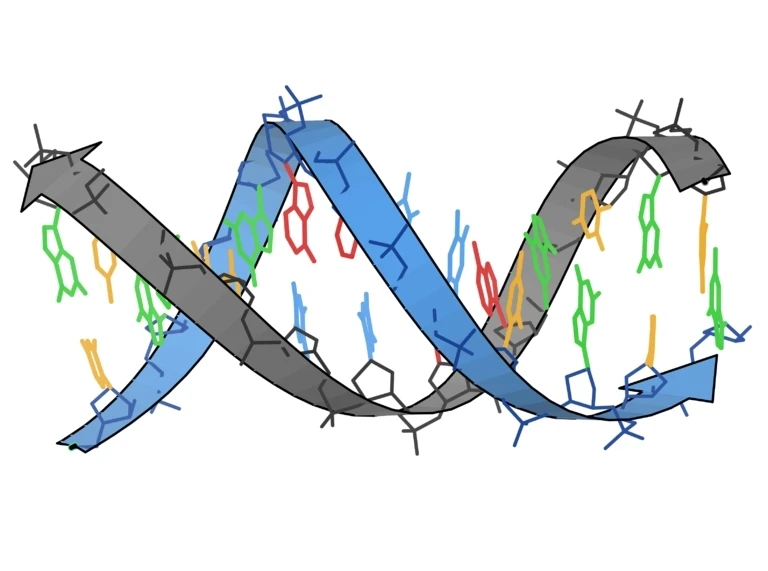 Genetic modified organisms or genetically modified organisms (GMO) are, as you may have gathered by the name, organisms whose genetic material have been altered using genetic engineering techniques instead of traditional crossbreeding where these experimental combination of genes cannot occur.
These organisms, which include plants, insects, fish and mammals as well as microorganisms such as bacteria and yeasts, have been genetically modified with the targeted insertion of DNA of other plants and animals or microorganisms such as bacteria or viruses into their genome. But the modification could also be a mutation or even deletion of genes.
GMOs (the legal term is “living modified organisms”), are the source of genetically modified foods. The reasons for producing GMOs and GM food are the introduction of certain traits. These traits include improved shelf life, disease/pest/pathogen resistance (which leads to a better harvest), herbicide resistance, stress resistance and improved nutrition. Here are some examples:
- “Amflora Potato”: Normally, waxy potato varieties produce two kinds of potato starch, amylase and amylopectin. BASF, a German chemical company, invented the Amflora potato, which almost exclusively produces amylopectin, by blocking the production of the enzyme “granule bound starch synthase” in the cells that drives the synthesis of amylase. This potato was of special interest for the starch industry where amylopectin is most industrially useful. In 2010, the European Commission allowed growing of Amflora for industrial purposes only which meant that the use of this potato in food was not allowed! In 2012, BASF stopped their GMO development in Europe.
- “Arctic Apples”: These genetically modified apples contain a non-browning trait. With the help of so-called gene silencing, the apple produces less polyphenol oxidase (PPO), a naturally occurring compound in apples that manifests the browning when the apple tissue comes in contact with oxygen due to mechanical damage, such as slicing or bruising. So, when sliced or bruised, the apple flesh remains its original colour instead of browning.
- “BioCassava Plus (BC+)”: The starch root crop cassava (Manihot esculenta) is a staple food in many countries in Africa. However, the typical cassava-based diet provides less then 30% of the minimum daily requirement (MDR) for protein and even less (10-20%) of the MDR of iron, zinc and vitamin A. Through genetic engineering and biotechnology, the “BioCassava Plus” was developed which an increased nutrient content of the aforementioned compounds. Additionally, the new variety was resistant to certain viral diseases, had a lower content of cyanogen glucosides and had an improved shelf life.
- “FlavrSavr” tomato: This GM crop, which was the first genetically modified crop approved for sale and human consumption in the USA but is no longer available on the market, had a longer shelf life than normal tomatoes.
-“Golden Rice”: Golden Rice is rice (Oryza sativa) that is fortified with beta-carotene, a precursor of vitamin A, through genetic engineering of the rice plant. Due to the artificial addition of three beta-carotene biosynthesis genes the plant is able to bio-synthesize the beta-carotene in the edible parts of the rice.
- Papayas, potatoes, oranges and squash have been genetically engineered to resist viral pathogens like the cucumber mosaic virus. Normally, the viruses can cause diseases in the respective crops or plants, for example the citrus greening disease, which then lead to loss of the crop or plant.
In the public, there is a huge controversy over GMOs, especially when they are used in food and/or food production. Consumers, biotechnology companies, governmental regulators and authorities, non-governmental organizations and scientists are discussing intensively the advantages and risks of GMO crops and food as well as the need for labelling these foods and the role of government regulators. While many scientists and the industry say that food on the market derived from GM crops poses no greater risk to human health than conventional food and also provide a number of ecological benefits, opponents of GM crops and food, like Greenpeace and the “Union of Concerned Scientists”, claim that risks have not been fully or even sufficiently researched, identified and managed, especially the long-term impact on human health from GM food.
While labelling of GMO products is required in more than 60 countries, including Australia, India, Japan and all countries of the European Union, it is not required in the United States of America and there is no distinction between marketed GMO and non-GMO foods.
Note: An expanded article on Genetic Modified Organisms will follow soon.
This overview was written by Erik Voigt of the Department of Food Biotechnology and Food Process Engineering of the Technische Universitaet Berlin (Berlin Institute of Technology), Berlin (Germany).
For further questions please refer to: [email protected]